

Current Projects
2026 Projects
**2026 Projects are still being updated - this section is being edited**
GRDC x GGA
2023-2028
RiskWi$e is a National Risk Management Initiative (NRMI) seeks to understand and improve the risk-reward outcomes for Australian grain growers by supporting grower on-farm decision-making. Grains Research and Development Corporation (GRDC) have invested $30 million to support this 5-year national initiative.
RiskWi$e

ARC x Western Sydney University
2024-2027
GRDC x GGA
2021-2027
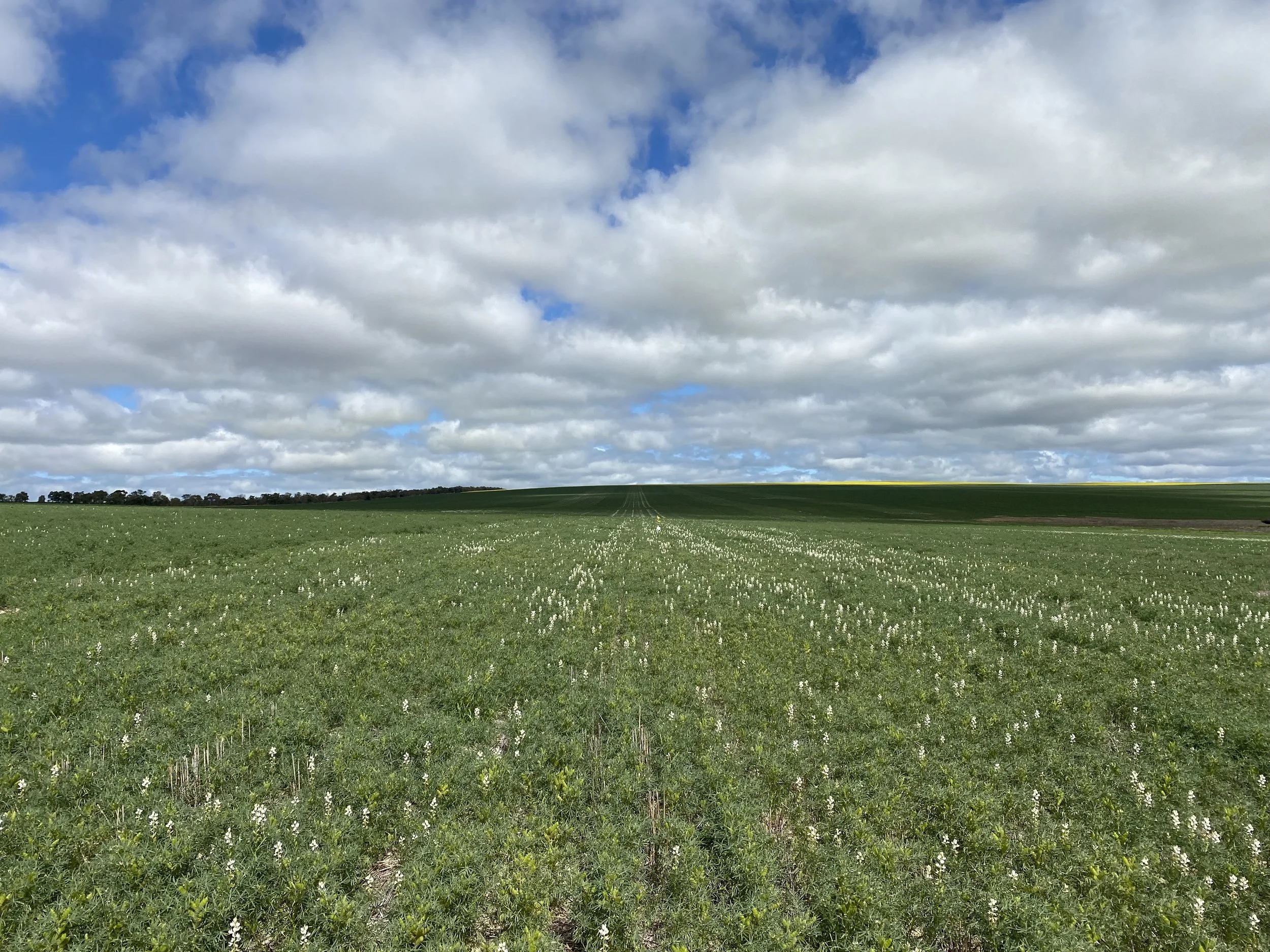
Grain legumes currently make a small and declining contribution to Western Australian farming system profitability. While growers recognise rotational benefits, concerns around reliability and returns have limited adoption, despite advances in genetics, rhizobia and management. This project will generate agronomic, financial and market information to guide pulse selection and placement, rebuild confidence in legumes in WA systems, and identify future research priorities.
Closing the Economic Yield Gap of Grain Legumes in WA
University of Adelaide
2025-2027
Later seasonal breaks and operational delays are increasing pressure on growers to make confident late-sowing decisions. This project compares short-season wheat, canola and grain legumes sown in June across soil types and sowing times to identify the most profitable combinations. Findings will deliver practical, region-specific guidance to support risk management in variable seasons.
Exploring the economics of late sowing (June) options in the Geraldton Port Zone
FDF x DPIRD
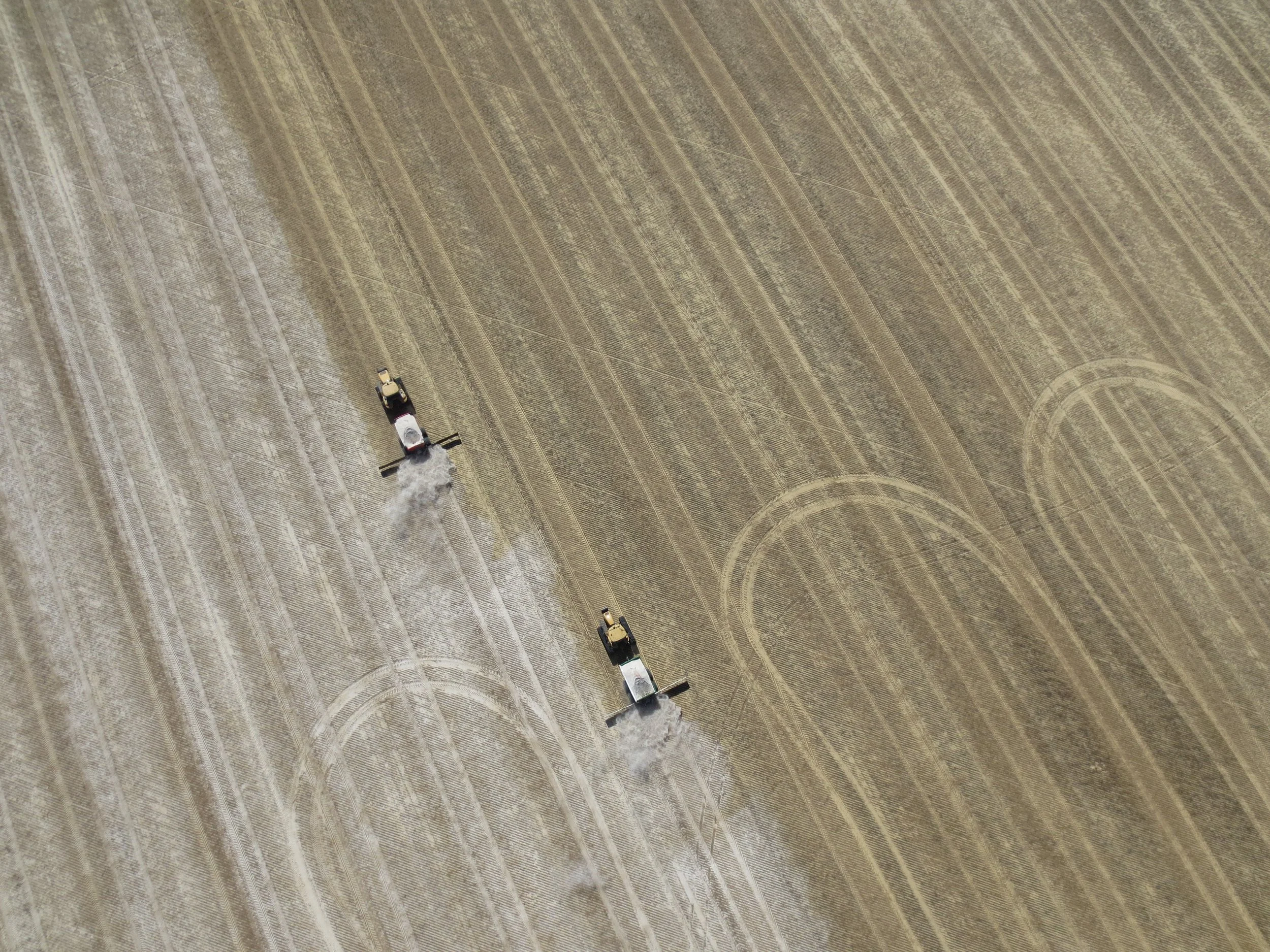
ARC-funded research led by Western Sydney University (WSU), in collaboration with Agripower Australia and grower groups including MIG in Western Australia, has established field plots to test silicon supplementation. These partnerships aim to integrate Si fertilization into conventional farming practices to enhance crop productivity and sustainability. This project seeks to address critical challenges in Australian wheat farming, such as water scarcity and pest damage, which significantly impact yields and production costs.
Silicon: a novel solution to reduce water use and pest damage in wheat
GRDC x DPIRD
2025-2030
2024-2028
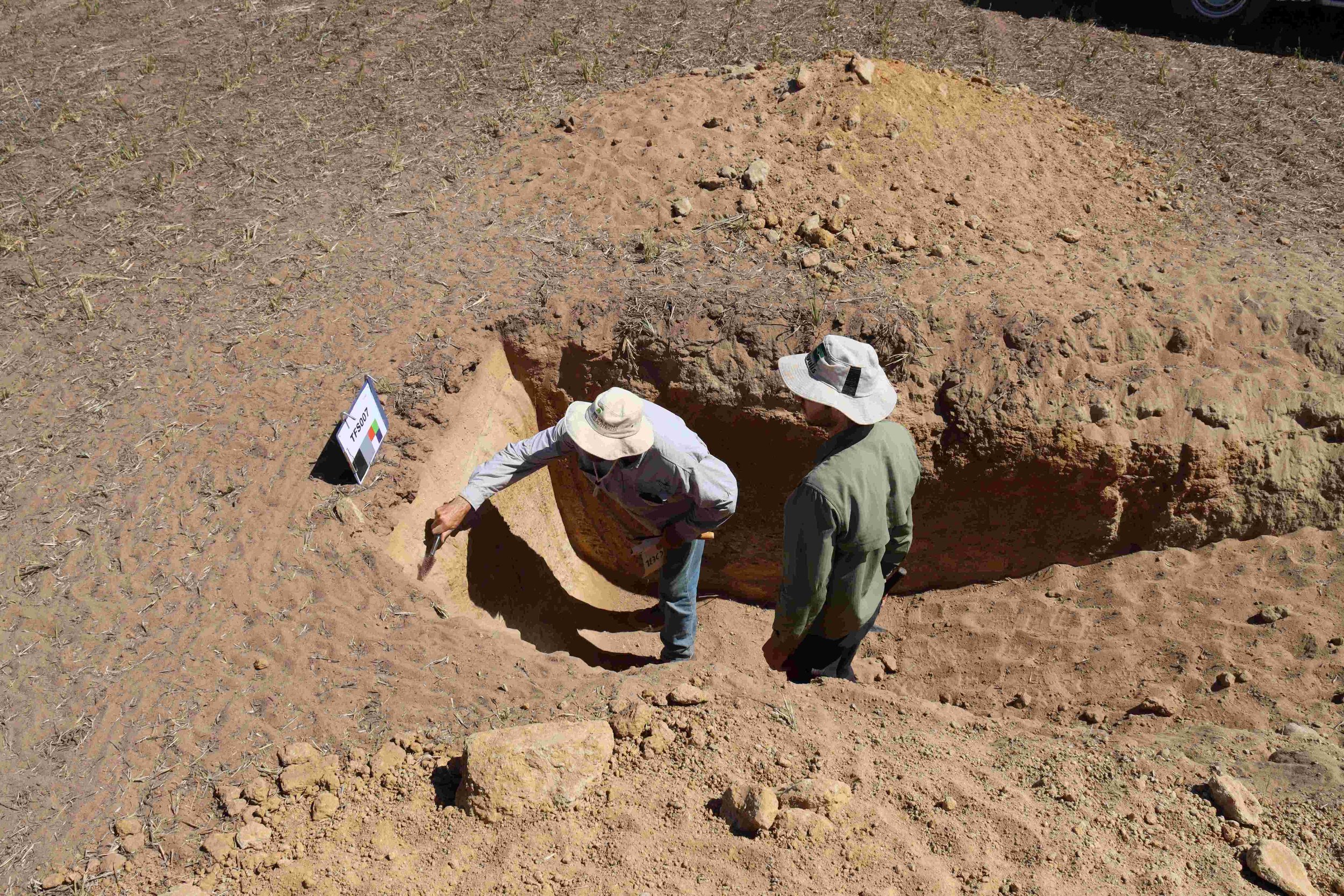
The threat to food security due to Australia's climate change impacts, and the rising economic and environmental costs of inefficient water use require innovative solutions. While enhancing resilience to climate impacts can involve optimizing rainfall absorption and efficient water usage by crops and pastures, current dryland farming systems lack sufficient proven strategies to achieve these outcomes.
Innovative Soil Technologies to Foster Resilience and Climate Smart Crop Production in Australia

DCCEEW x GGA
2024-2026
GRDC
2025-2030
The five year ‘Sustainable solutions for sandy soils – a collaborative approach to transformational change’ project is being led by the Department of Primary Industries and Regional Development (DPIRD).
The West Midlands Group and the Mingenew-Irwin Group are project partners, with funding from the Commonwealth Government Future Drought Fund’s Resilient Landscapes program.
Sustainable Solutions for Sandy Soils
GRDC x Liebe
2026
Stubble Management Techniques
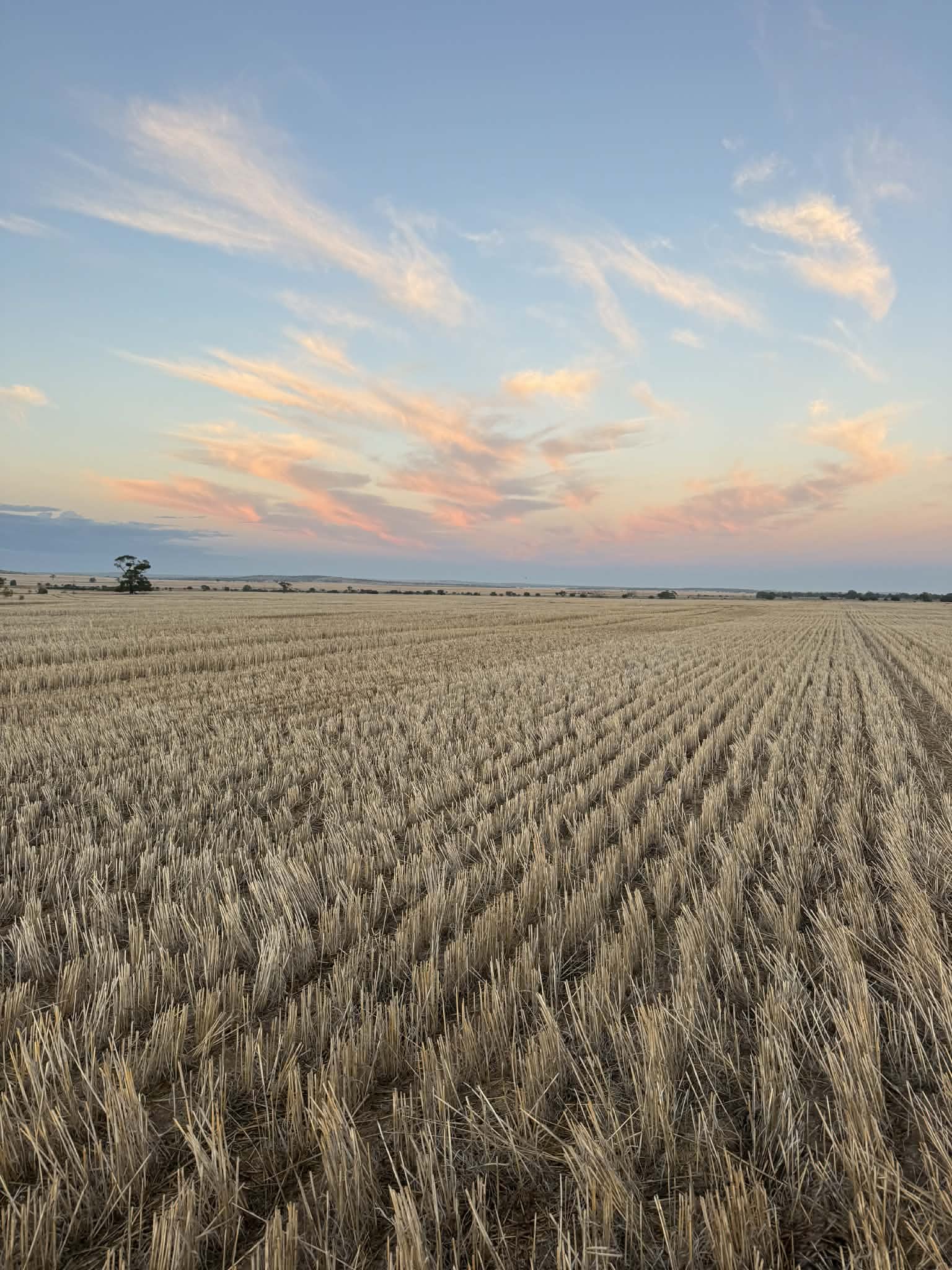
Retained stubble can tie up early-season nitrogen as soil microbes break down residues, reducing availability for crop emergence and early growth. While traditional burning methods effectively remove residues, they are increasingly unpopular due to environmental concerns, social license issues, and the associated risks of erosion and nutrient loss. Stubble retention systems require robust research evaluating mechanical and chemical strategies—individually or combined— to improve trash flow at seeding, enhance weed control, and reduce disease risks.
This project aims to support grower adoption decisions by investigating how differing stubble architectures contribute value to farming systems, by understanding the different costs involved, the risk/reward profile and agronomic benefits.
The GRDC-led Soilborne Disease Initiative (SBDI) is a national, collaborative investment bringing together researchers, pathologists and grower groups to better understand and manage soilborne diseases, which cost Australian grain growers more than $1.71 billion annually.
The initiative is developing integrated disease management strategies, improving disease mapping, and testing new control approaches to reduce losses and improve on-farm decision making. As part of this effort, Mingenew–Irwin Group (MIG) is collaborating with Ciara Beard from Department of Primary Industries and Regional Development to investigate Sclerotinia in canola and pulses, contributing locally relevant insights to this national program.
Soilborne Disease Initiative (SBDI)
The National Industry-led Carbon Farming Outreach Program is delivering un-biased, independent carbon farming knowledge to primary producers and ag advisors, with no sales pitch. Helping Farmers make informed decisions about measuring and managing their carbon emissions.
This network will deliver more than 160 carbon farming workshops across Australia, utilising an extensive Knowledge Bank, developed from the leading agriculture carbon experts in the country.